

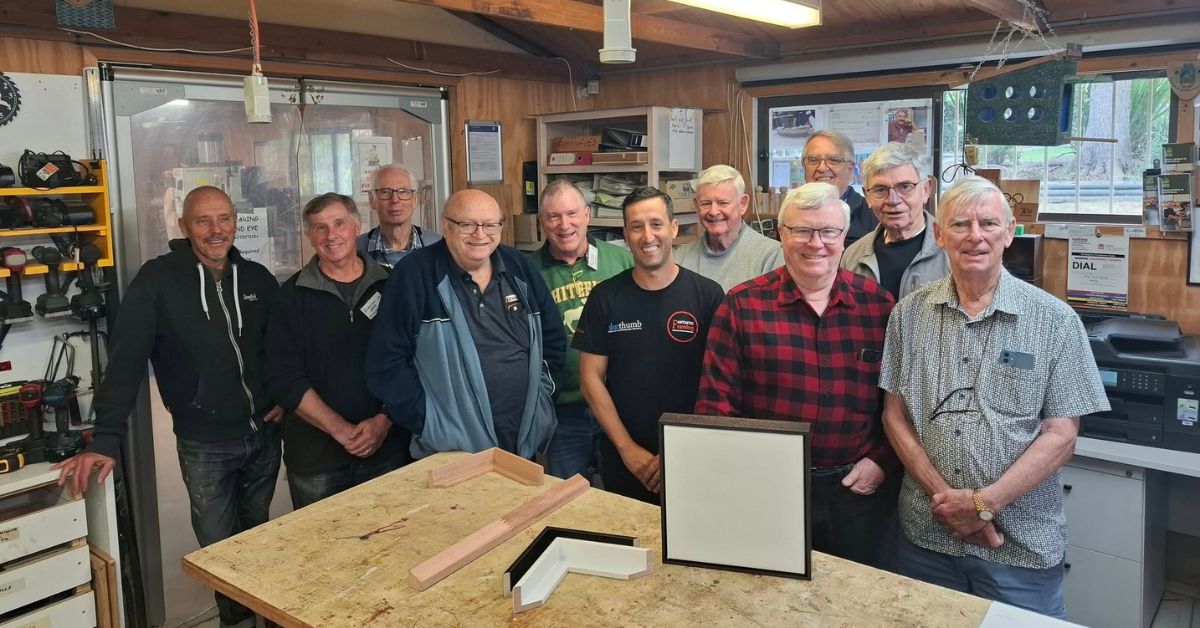
Waverley Community Men’s Shed has voted unanimously to amend its constitution to accept women as members, making it the first and only organisation of its kind in Sydney’s south-east and eastern suburbs to take this step, even as the shed simultaneously faces the prospect of losing its home within 18 months.
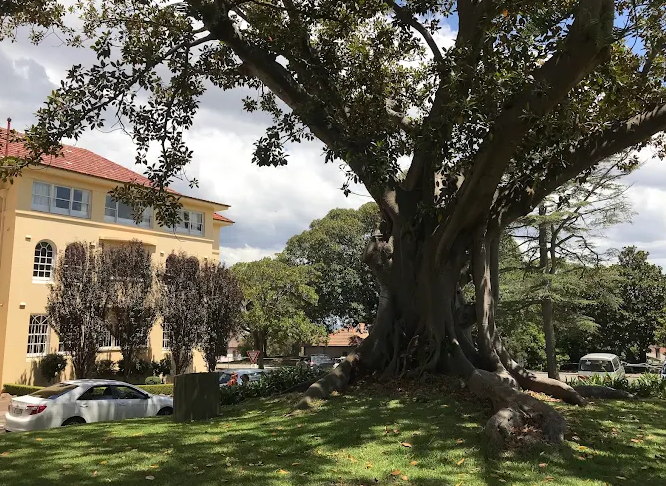
The decision, passed by members at a meeting in early March 2026, reflects both a practical need to expand the volunteer supervisor base and a broader recognition that the shed’s work in combating social isolation and building community connection is valuable beyond a single gender. The shed currently operates three days per week from its location in the grounds of the Uniting War Memorial Hospital at 125 Birrell Street, Waverley.
How the New Membership Model Will Work
Under the amended constitution, the shed plans to reserve two days each week for male members while dedicating Wednesdays to female members. The immediate priority is training women as supervisors, addressing a shortage that has limited the shed’s opening hours. The shed houses expensive woodworking and metalworking equipment that requires a certified supervisor to be present at all times during operation.
To bring new women members up to speed safely, the shed will run a six-day introductory woodworking course covering fundamentals from safety training through to completing a finished project. President Peter Charlton said the expanded membership would give women access to skills and experiences many had not previously had the opportunity to try, and that he expected female members to find the creative and practical work deeply rewarding.
The decision also positions the shed to pursue federal funding opportunities more competitively. Eligibility for some funding streams favours organisations with broader community reach and membership diversity.
What the Waverley Men’s Shed Does
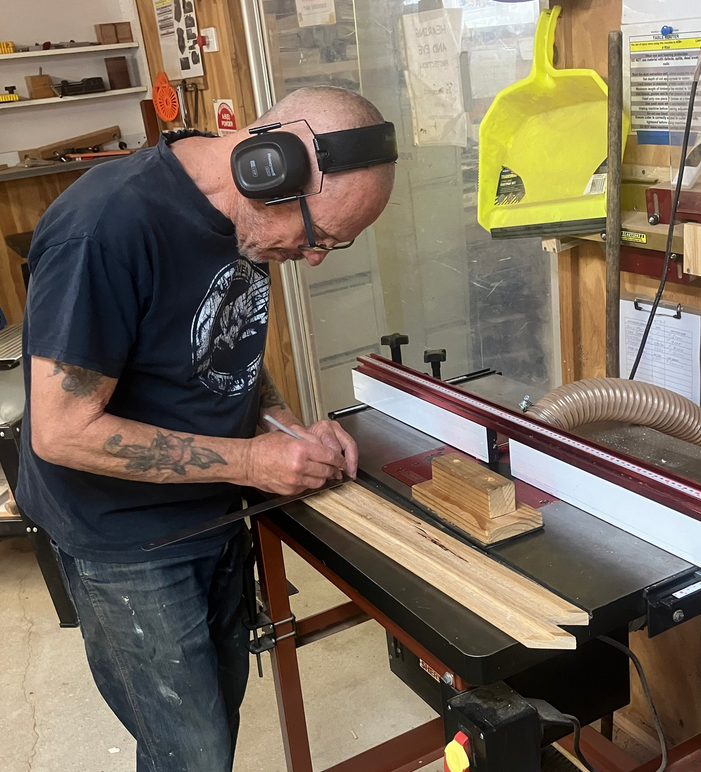
Waverley Community Men’s Shed gives members with a range of skills and experience the opportunity to come together to nurture woodworking skills, exchange ideas, discuss their experiences and get involved in community projects. Members can work on their own projects, help others with their projects or support charities by making furniture, toys or other useful items.
The shed operates on the principle that purposeful activity and social connection are central to mental health and wellbeing, particularly for older adults in retirement. Men’s sheds have been described as a male-friendly service providing a health by stealth approach, and research acknowledges the positive role that sheds can have in addressing the gendered health disparities that males face. The same principle applies increasingly to older women, who face comparable risks of social isolation after retirement or the loss of a partner.
The Australian Men’s Shed Association, which supports more than 1,200 men’s, women’s and community sheds nationally, reports that shedders experience improved mental health outcomes including increased self-esteem through participation and learning new skills, and de-stigmatisation of mental health challenges.
Women in Sheds: A Growing Trend
The Waverley decision aligns with a growing national trend. Approximately 30 per cent of men’s sheds across Western Australia already include women members and participants, and a number of sheds nationally operate as community sheds open to all adults. The approach adopted by Waverley — dedicated women’s sessions on a specific day, with women trained as supervisors — mirrors the model most commonly used by sheds making this transition, allowing a comfortable environment for new female participants while maintaining the shed’s existing programme and culture.
Full membership, which includes voting rights and committee participation, is the model Waverley has adopted through its constitutional amendment — a more comprehensive step than the associate membership arrangements some other sheds have used as an intermediate option.
The Shed’s Uncertain Future
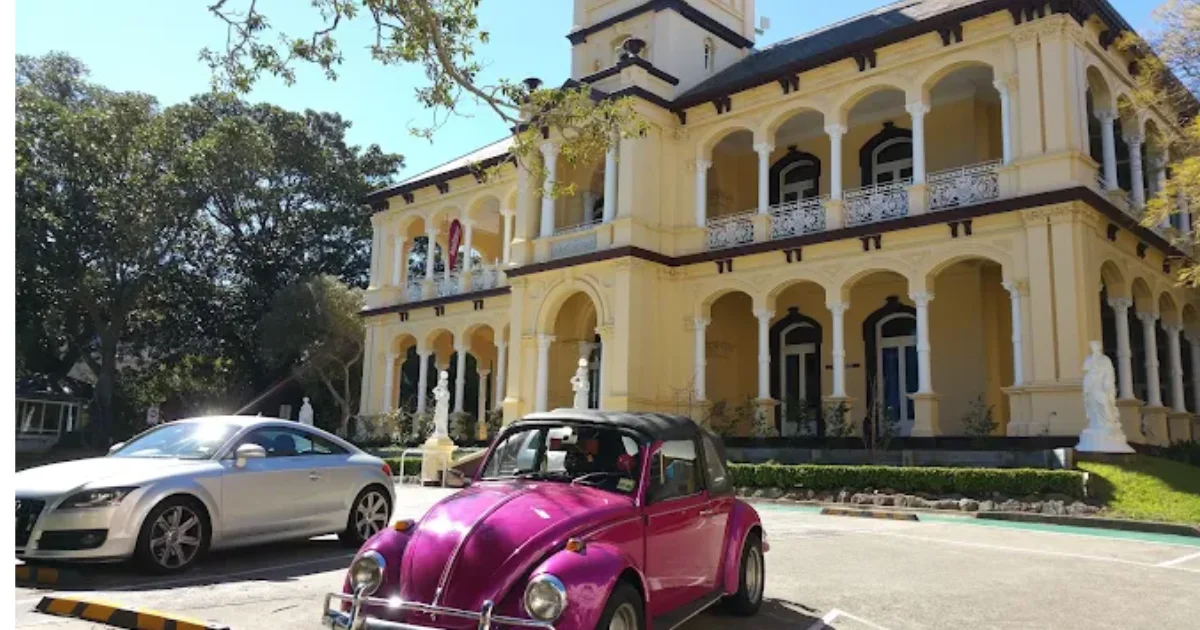
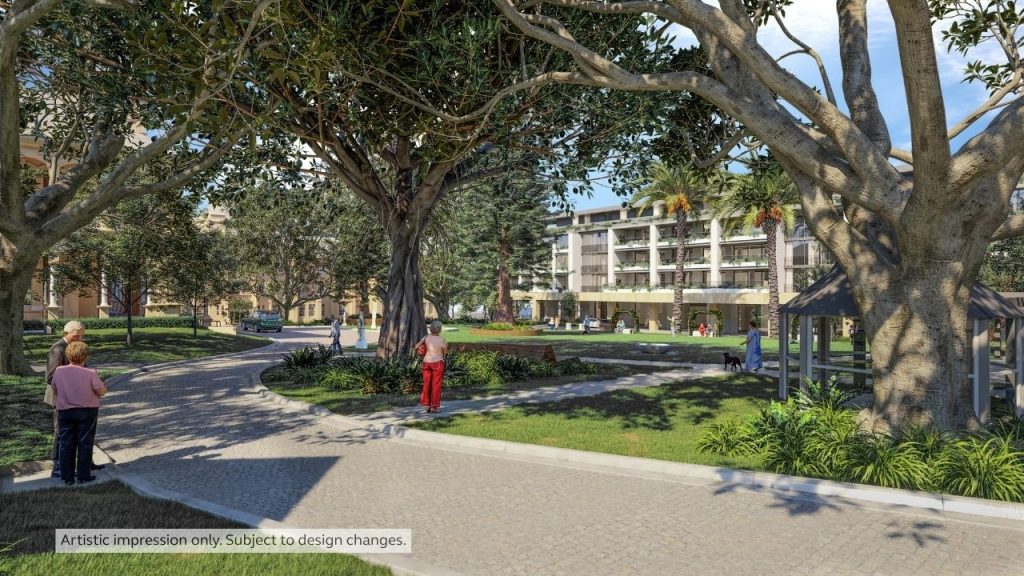
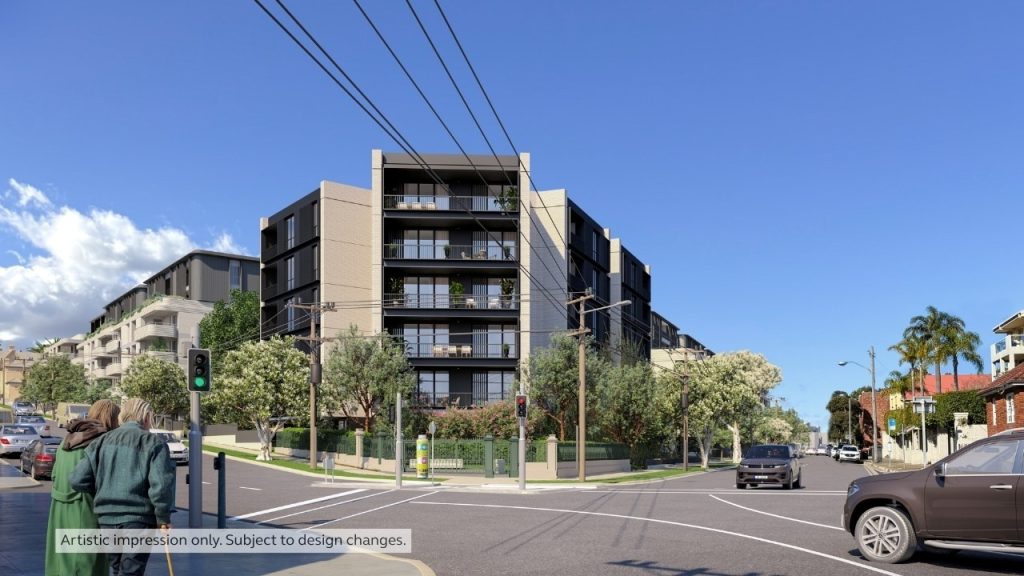
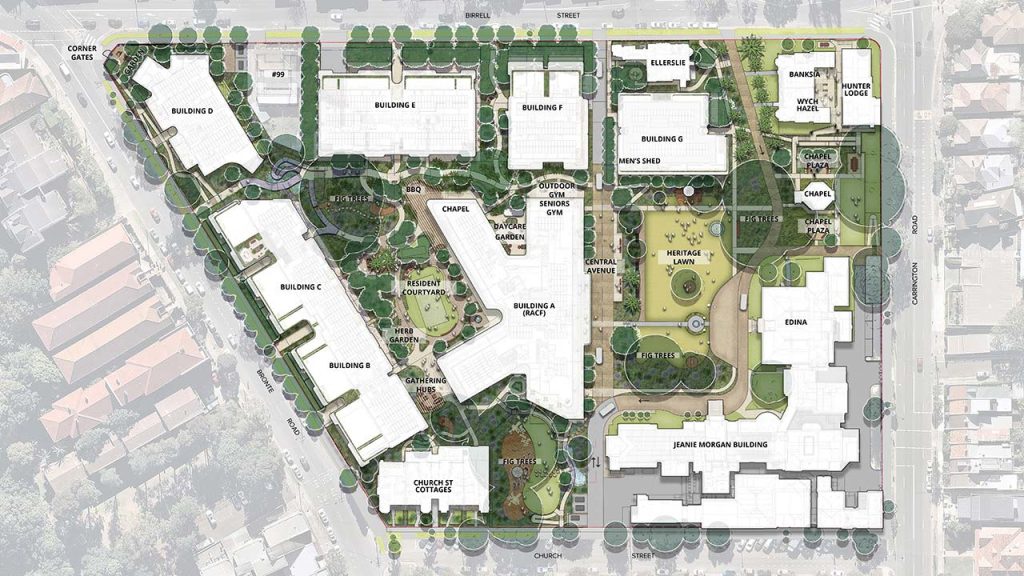
The membership expansion comes at a critical time for the Waverley Men’s Shed’s physical future. The shed is located within the grounds of the Uniting War Memorial Hospital at 125 Birrell Street, a site undergoing a $500 million redevelopment into residential aged care for more than 300 people. Charlton said the shed expected to be without its current home within 18 months, and that the organisation had been searching for an alternative location for more than seven years without success.
The shed’s operating costs are currently covered by Uniting. If the shed relocates off-site temporarily during construction, it will need to seek external funding to cover those costs. Uniting has confirmed the shed will return to a new, purpose-built space within the redeveloped Waverley Estate once construction is complete, and that a temporary home will be found during the construction period. Both state and federal representatives have confirmed they are working with the shed to identify a suitable interim site.
Why This Benefits the Waverley Community
The Waverley Men’s Shed is the only organisation of its kind in Sydney’s south-east and eastern suburbs. Its decision to open membership to women significantly broadens the number of local residents who can access its programmes, equipment and community connection. For older women in Waverley and surrounding suburbs who may be recently retired, recently bereaved or simply seeking purposeful social activity, the shed now offers a structured, skills-based environment that was previously unavailable to them in this part of Sydney.
The expanded supervisor base the change generates also means the shed can potentially increase its opening days, making it accessible to more members of both sexes across the week. And the improved funding eligibility that comes with broader membership diversity strengthens the shed’s long-term viability — directly supporting its chances of securing and maintaining a permanent home.
Residents interested in joining the Waverley Community Men’s Shed, whether for the existing programme or the new women’s sessions, can contact the shed by email at secretary@waverleycommunitymensshed.org.au or by phone on 0480 439 315. The shed is located at 125 Birrell Street, Waverley NSW 2035.
Published 9-March-2026.